Skip to content

Bulk ingredients for feed mills and premix plants

Feed Chemicals & Raw Materials

Protein meals, amino acids, vitamins and minerals imported for Bangladeshi feed mills, premix blenders and veterinary formulators. Every item is listed with its HS code, CAS number, origin and full specification so your purchase and customs paperwork is ready before you ask for a price.

4 results

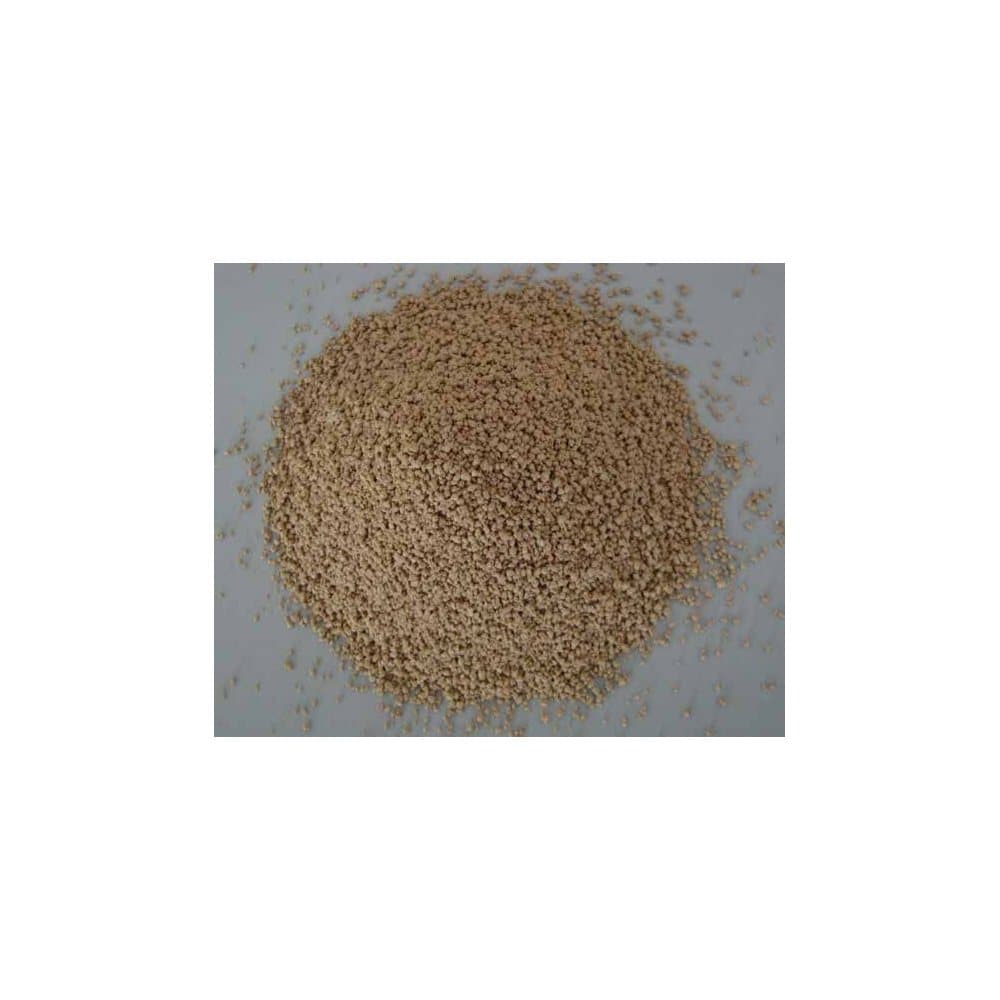
  • L-Lysine HCl

    TDA-FC-LYSH

    L-Lysine HCl

    The first limiting amino acid in most plant-protein rations, supplied as the monohydrochloride salt. Adding it lets a formulator cut expensive protein meal and still hit the lysine requirement — usually the cheapest single improvement available to a feed mill.

    HS code
    2922.41.00
    CAS number
    657-27-2
  • L-Lysine Sulfate

    TDA-FC-LYSS

    L-Lysine Sulfate

    The sulphate form of lysine, whose practical advantage over the hydrochloride is that it adds no chloride. In bran-heavy rations for laying hens and pigs, excess chloride depresses bicarbonate and pushes acidity the wrong way — sulphate avoids that.

    HS code
    2922.41.00
    CAS number
    60343-69-3
  • L-Threonine

    TDA-FC-THR

    L-Threonine

    Usually the second or third limiting amino acid after lysine and methionine. Beyond balancing the ration it improves lysine absorption and cuts nitrogen excretion, which matters where effluent is a constraint.

    HS code
    2922.49.10
    CAS number
    72-19-5
  • DL-Methionine

    TDA-FC-MET

    DL-Methionine

    An essential sulphur amino acid and the precursor of cysteine and taurine. It is the first limiting amino acid in poultry rations, which makes it the single most commonly supplemented amino acid in Bangladeshi broiler and layer feed.

    HS code
    2930.40.00
    CAS number
    59-51-8

Landed-Cost & Compliance Assessment

Import Consultancy

We work out what a consignment will actually cost to land in Dhaka, and what paperwork it needs to clear. A decade of importing veterinary and feed goods means the HS classifications, the permit sequence and the clearing traps are known ground rather than a research exercise.

Read more